The field
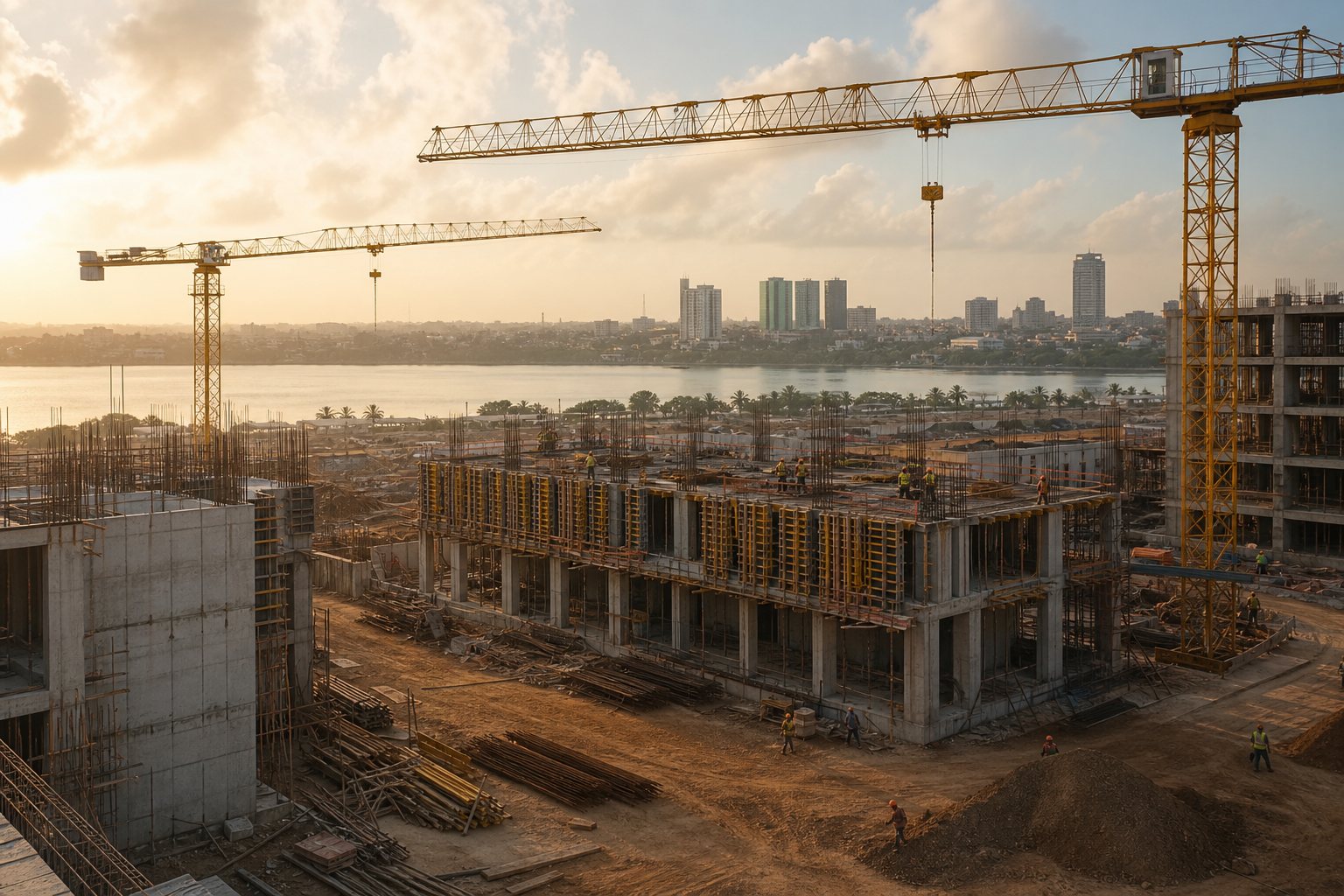
Construction does not begin on site. It begins with a mandate, a price, a delivery and a payment route that all parties can enforce. Commercial work is that frame. Without it, a crane is only a cost.
In cross-border work the frame is harder. Goods, services and money cross Germany, Türkiye and West Africa. Incoterms, letters of credit, local tax on imports, and the question of which court hears a dispute are not details for later. They are the work.
A holding that builds through group companies must say who contracts with whom. The client may be a ministry or a municipality. The supplier may sit in Türkiye. The site may be in Côte d’Ivoire. Someone has to write the chain so that each signature has a meaning.
That is the commercial task: to prepare the contracts, to name the supplier, the contractor and the payer, and to keep the correspondence in a file that Berlin can read. We do not “do business” in the abstract. We open a mandate and we close it.
Partners such as Çağla Group, LaMar Yapı and eKose enter here as known counterparties for trades and material — not as a substitute for the group’s own contract with the client. The client’s counterpart remains the company of the group that signed.
This is how we work. Before ATES GROUP SARL pours concrete, the commercial file must show the mandate, the supply and the payment. If one of the three is missing, the site does not start. That rule is slower than a handshake. It is why a handshake can later be proved.
Governments and authorities
Public clients — ministries of education, health, infrastructure, municipal councils, state procurement bodies — buy through rules. Tender notices, evaluation minutes, standstill periods and publication duties are not obstacles invented by lawyers. They are how a state remains able to explain a contract.
We work inside those rules. We do not ask an official to skip a step. We ask what the file must contain so that an award can stand. Where the client is private, we still write the same clarity: who orders, who delivers, who pays, who accepts.
Customs, standards offices and licensing bodies sit on the supply path. A shipment of material into West Africa, or a service invoiced from Türkiye, needs papers that those offices can process. Commercial work includes that path, not only the signature page.
Services in detail
Mandates
Every transaction starts with a written mandate: object, parties, price or method of price, and the law that governs it. We do not run “understandings” beside the contract.
Supply and services
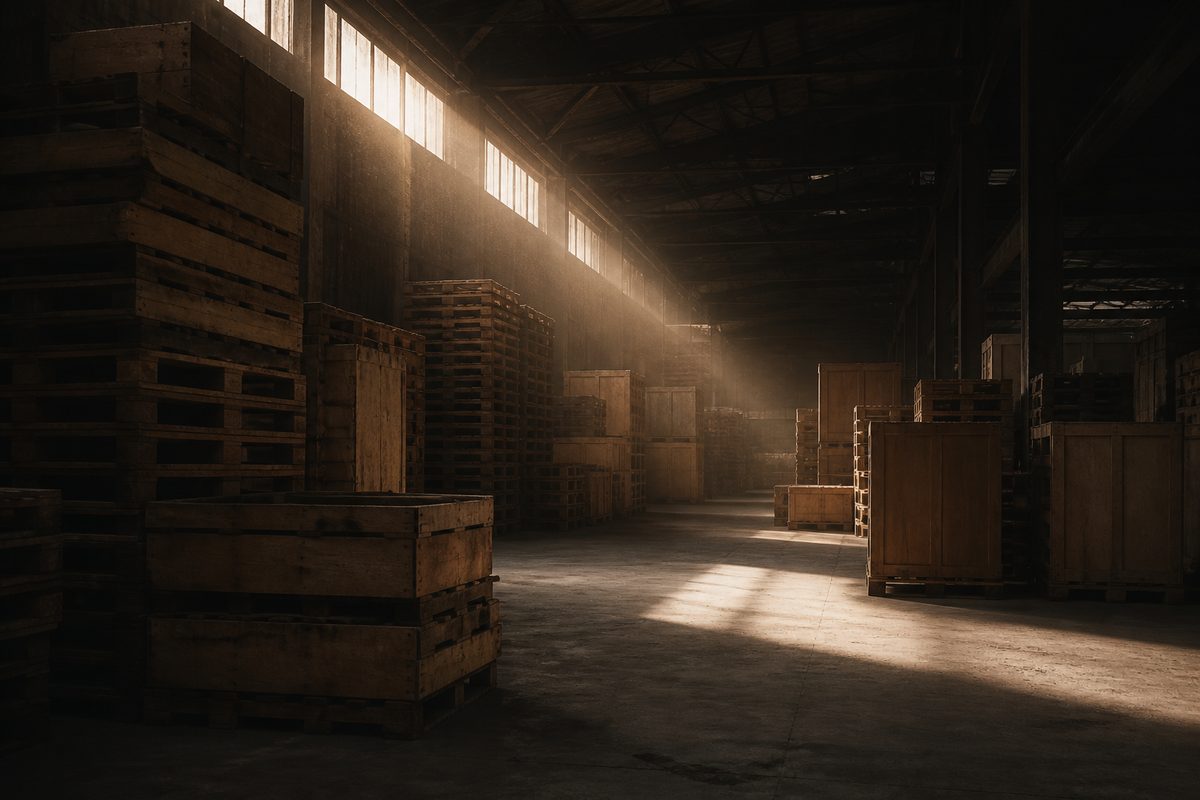
Material, plant and specialist work are placed with named suppliers. Quantities, standards, inspection and the place of delivery are in the file before the first invoice.
Payment routes
Who pays whom, in which currency, against which document. Banks and, where needed, confirmed instruments are chosen for the route, not for decoration.
Roles and liability
Before work starts we set out who supplies, who builds, who finances and who is liable for delay or defect. The group keeps the client contract. Partners keep their trade.
Correspondence
Letters, minutes and variations are kept so that a later reader can follow the job. Commercial memory is a file, not a person who was in the room.
Acceptance
Delivery is not complete when a truck arrives. It is complete when the contract’s tests, quantities and signatures are on the page. That page closes the mandate.